
Skip to content

HomeProgrammes

Our Programmes

Explore Clean Rivers’ global programmes and partnerships.

Country Partnerships & Programmes

Indonesia

Partnership overview

Under a UAE-Indonesia memorandum of understanding to reduce waste leakage into rivers and oceans signed in 2024, Clean Rivers works closely with the Indonesian Coordinating Ministry for Food Affairs and TKN PSL (Indonesia’s National Coordination Team for Marine Debris Management).

Clean Rivers is Scale-up Partner of Project STOP to establish a regency-wide waste management system in Banyuwangi.

Clean Rivers has also partnered with the UNDP Indonesia to tackle riverine waste pollution across six Indonesian cities with civil society organisations and the GRADASI programme, an inter-faith community-led waste movement.

PROGRAMMES
  • Project STOP Banyuwangi Hijau
  • UNDP Sungei Lestari

Project STOP Banyuwangi Hijau

Clean Rivers is a Scale-Up Partner for the Project STOP Banyuwangi Hijau programme, which aims to scale Indonesia’s first regency-wide waste management system through collection services, behaviour change campaigns, infrastructure and local government systems strengthening.

Banyuwangi Hijau works to shift households away from open burning, burying and illegal dumping practices towards formalised waste collection services and waste separation, while building municipal capacity for the programme handover in 2027.

Location: Banyuwangi, East Java, Indonesia

Status: Active, under implementation

UNDP Sungei Lestari

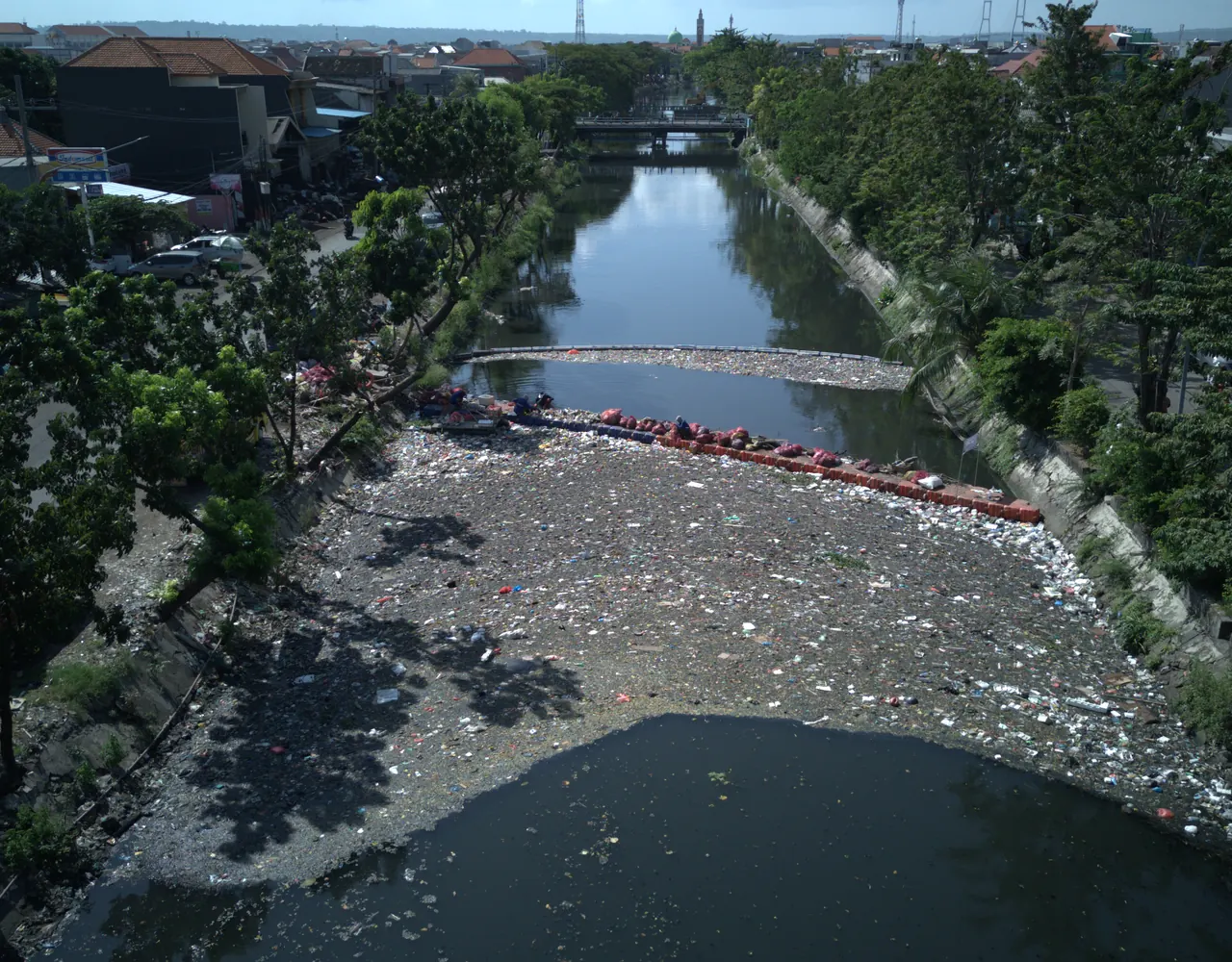
A Clean Rivers-UNDP Indonesia Sungei Lestari (Preventing Riverine Plastic Pollution) programme is being delivered in collaboration with local governments and eight civil society organisations across six Indonesian cities. It aims to remove and prevent plastic and solid waste from entering key river systems in Indonesia through river clean-up, waste management systems, civil society partnerships and community-led behaviour change initiative.

The civil society organisations have designed and are implementing activities that prevent waste leakage with communities, recover waste from river through interception systems, establish refill and recycling programmes, create local jobs and operate local sorting infrastructure including waste banks and material recovery facilities in selected communities.

Sungei Lestari also supports GRADASI, an interfaith- and community-based movement, which engages households through mosques, schools and community groups for waste segregation and organic waste management, with proceeds from income-generating activities reinvested into local community initiatives.

Locations: Surabaya; Surakarta; Bekasi; Sidoarjo; Denpasar; Badung, Indonesia

Status: Active, under implementation

Philippines

Partnership overview

Under a UAE-Philippines memorandum of understanding signed in 2025, Clean Rivers is collaborating with the Philippine Department of Environment and Natural Resources.

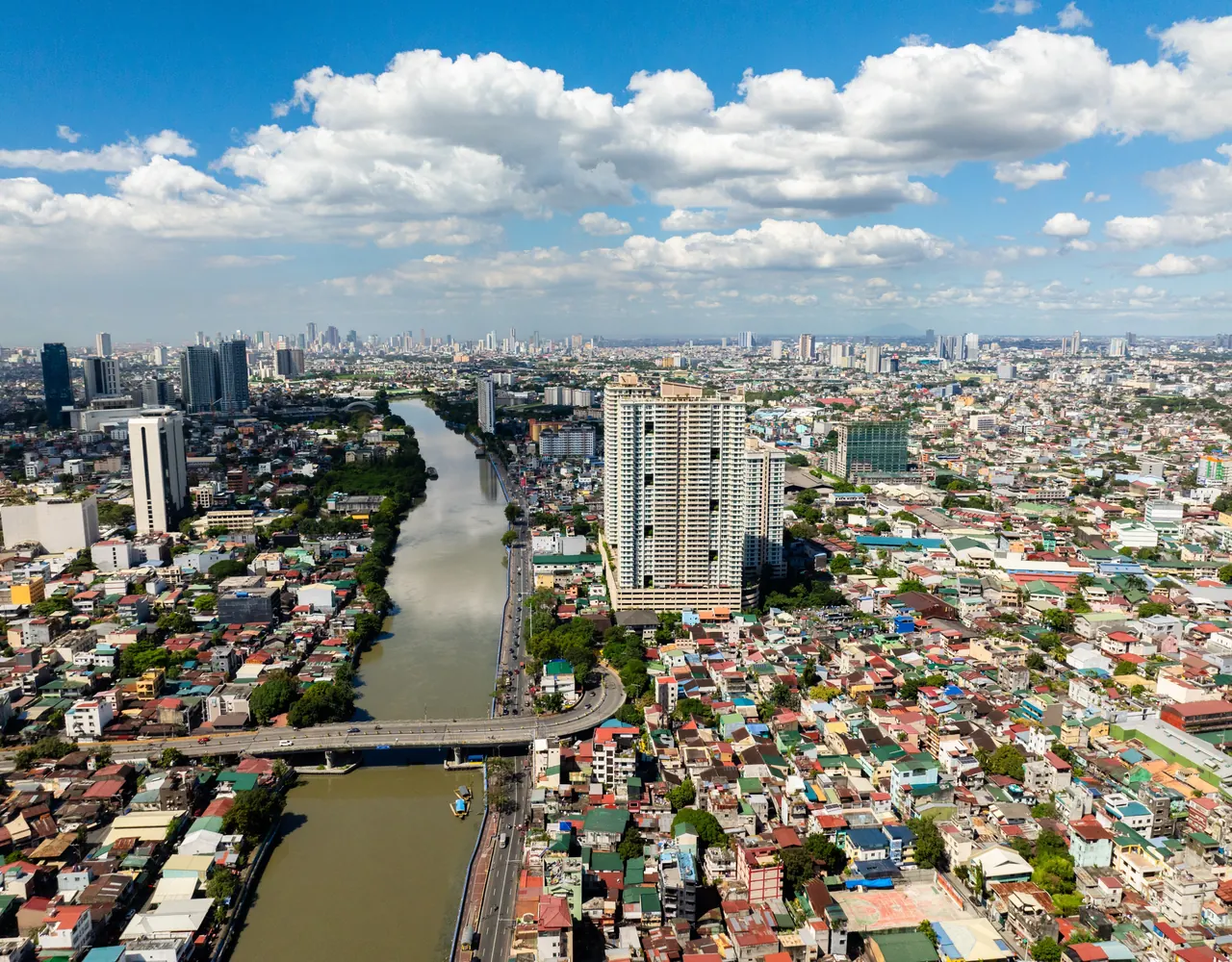
Efforts are underway to develop a comprehensive programme that reduces waste leakage into the Pasig River in Metro Manila, while strengthening waste management systems and supporting the restoration of the river’s environment, social and economic value.

Our ambition is to demonstrate how catalytic capital, government partnership and circular market activation can transform an urban river basin at scale.

Programme

Clean Pasig River Programme


Feasibility studies and programme design are in progress. The work is intended to identify suitable interventions and strengthen environmental outcomes across Metro Manila.

Location: Metro Manila, Philippines

Status: Under development

Brazil

Programme summary

Clean Rivers and the Ellen MacArthur Foundation launched a partnership with the City of Recife and large consumer goods companies under the foundation’s business network to develop an implementation plan that strengthens collection and recycling systems in the city. This project is backed by the Brazilian Ministry of Environment & Climate.

This partnership builds on research and findings from a Clean Rivers-Ellen MacArthur Foundation report which sets out a shared vision and framework for transforming Brazil’s urban waste systems.

Programme

Recife Waste Systems Transformation

A partnership between Clean Rivers, the Ellen MacArthur Foundation and leading global consumer-goods companies to design and demonstrate a city-wide circular economy and waste management transformation model in Recife capable of attracting large-scale public and private co-investment.

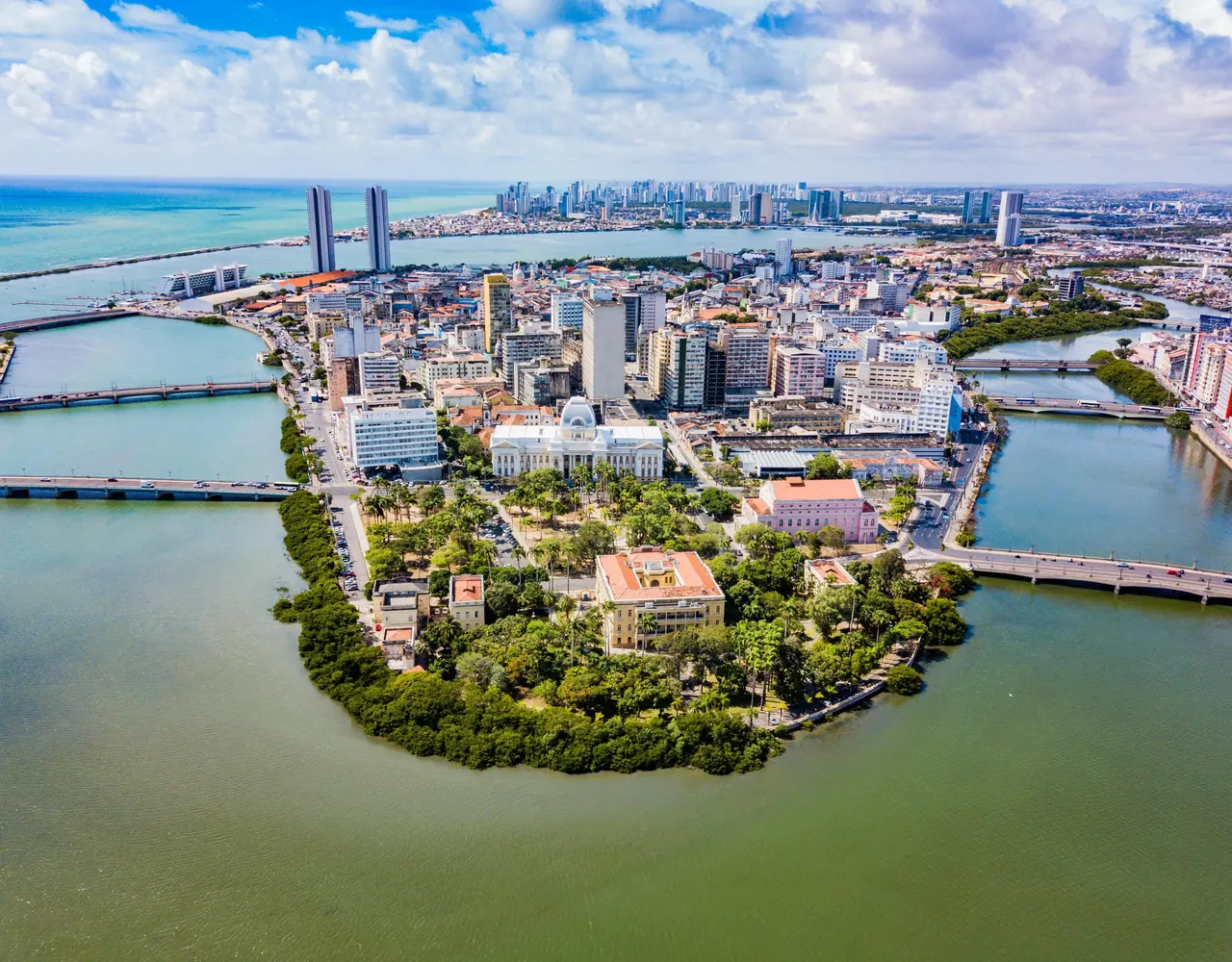
Recife was chosen as the potential starting point for this project because its challenges and foundations reflect those of many other cities across Brazil. Home to 1.6 million people and a network of rivers, bridges, and waterways, Recife stands to see visible benefits. While the city has a track record of progress – growing plastics recycling by 16.6% in 2024, more than double the national average – significant challenges remain.

Location: Recife, Pernambuco, Brazil

Status: Design phase

Our Partners

Clean Rivers works with strategic, technical, and local partners to support programmes that protect waterways, reduce waste pollution, and strengthen long-term environmental action.

Resources & Documentation

Explore reports, publications and stories from Clean Rivers’ programmes and partnerships

ReportNovember 17, 2026Indonesia

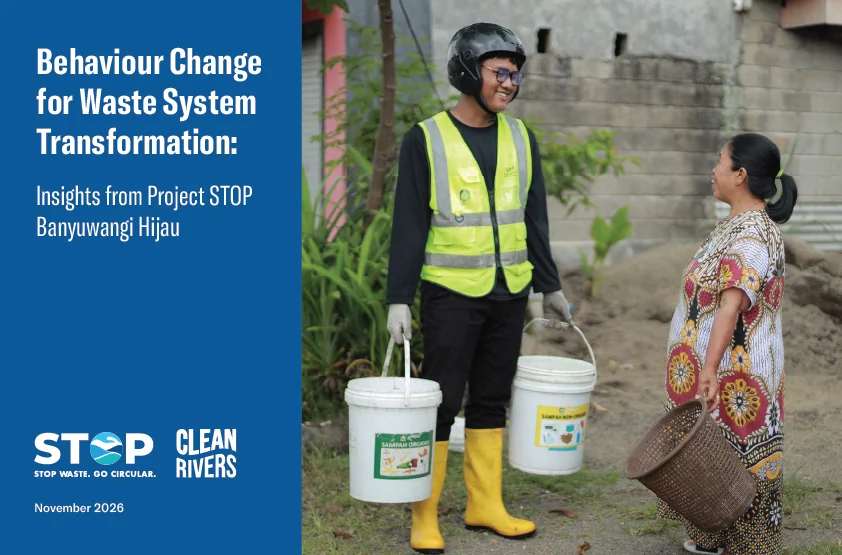
Behaviour Change for Waste System Transformation

Insights from Project STOP Banyuwangi Hijau

Developed by Project STOP with scale-up partner Clean Rivers, this report draws on the experience of Project STOP Banyuwangi Hijau, a programme working with local government to build the first regency-wide waste management system in...

ReportJuly 1, 2026Brazil

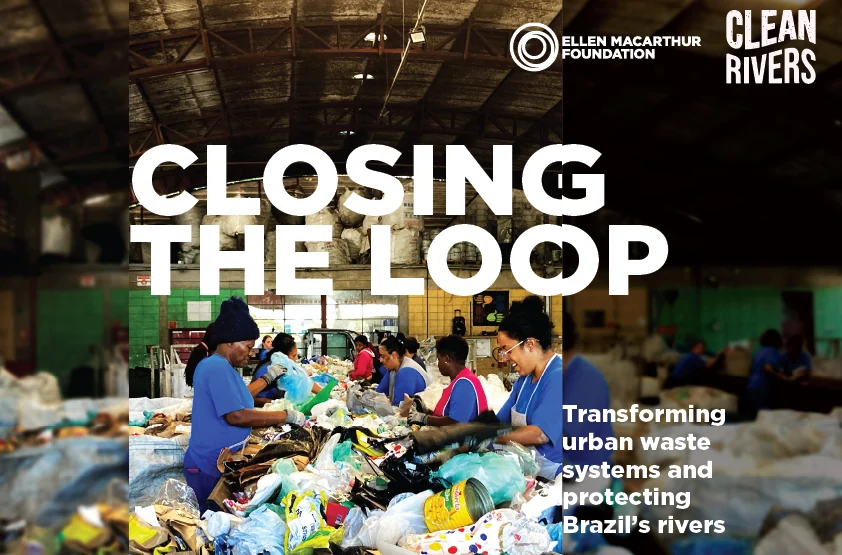
Closing the Loop: Transforming urban waste systems and protecting Brazil’s rivers

The Closing the Loop report examines the challenges and opportunities of transforming collection and recycling systems in Brazil’s cities, sets out a shared vision for what these systems could look like by 2040, and identifies the actions needed to get there...