Clean Rivers and the Ellen MacArthur Foundation launch partnership to tackle waste pollution and protect waterways in Recife, Brazil
Supported by Clean Rivers, the Ellen MacArthur Foundation is engaging the City of Recife and members of its Global Business Network to develop a new approach to tackling waste and plastic pollution in Recife

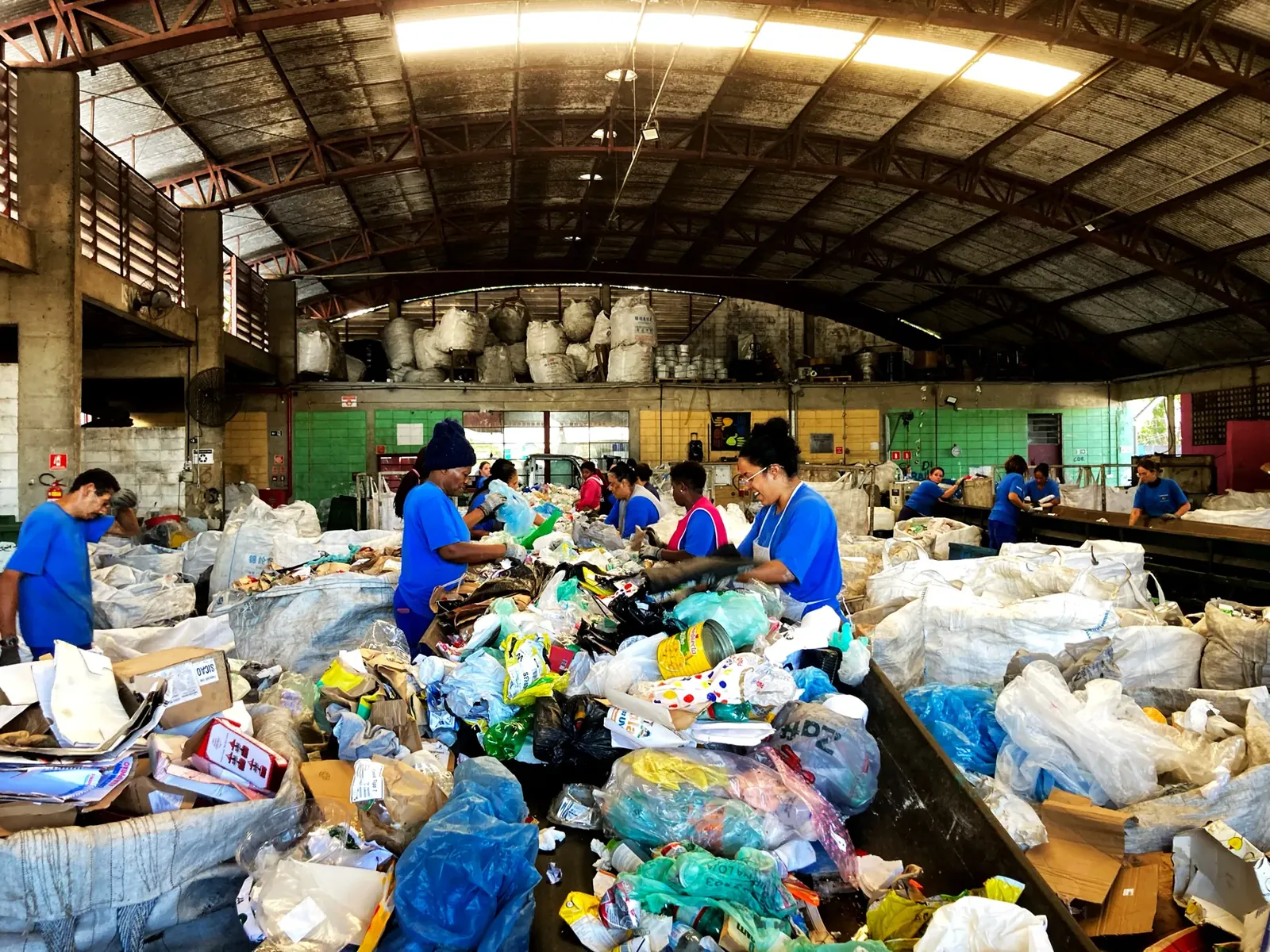
Recife, Brazil, 2 July 2026: Clean Rivers, a UAE-backed foundation and affiliate of Erth Zayed Philanthropies, today announced its partnership with the Ellen MacArthur Foundation to transform waste systems and protect waterways in Recife, Brazil, a city situated at the mouth of three rivers – Capibaribe, Beberibe, and Tejipió.
With support from Clean Rivers, the Ellen MacArthur Foundation is engaging with the City of Recife and members of its Global Business Network – a group of multinational fast-moving consumer goods companies – to develop a feasibility plan for potential implementation, including a business and investment case for a multi-year investment in waste collection and recycling systems in Recife.
If successful, the ambition is to unlock up to R$300 million (US$ 57.8 million) in investment and begin implementation in Recife as early as 2027, creating a replicable model for cities across Brazil and the Global South.
Recife, famous for its intricate network of rivers, islands and canals, was chosen as the intended starting point for this project because its foundations and challenges reflect those of many other cities across Brazil and the Global South.
Clean Rivers works globally to bring philanthropic funding to systemic issues at the intersection of water and waste, convene leaders across sectors and catalyse collaborative action. Its work in Brazil exemplifies its approach – partnering with the Ellen MacArthur Foundation, a leading authority on the circular economy, to bring together a city government and global brands around a shared approach for systemic change.
Deborah Backus, CEO of Clean Rivers, says: “Every year, millions of tonnes of waste leak into the world’s waterways and the ocean. Strengthening waste systems reduces leakage, protecting these freshwater ecosystems and the communities who depend on them. Recife is the right place for this collaboration, as a city defined by its vast network of waterways draining into the South Atlantic.
“This partnership is unique as a multi-stakeholder effort to address waste leakage and pollution. By deploying philanthropic funding, we aim to attract and unlock the broader investment needed to build this model in Recife and create a blueprint for cities across Brazil and beyond.”
Joe Murphy, CEO of the Ellen MacArthur Foundation, adds: “Recife has the potential to become a model for how cities transform collection and recycling systems and protect their rivers from waste and plastic pollution. In partnership with Clean Rivers, our team on the ground is bringing together the city of Recife, the Brazilian Federal Government, and local stakeholders, including waste pickers and businesses, to develop a shared plan for scale.
“Building this kind of infrastructure is at the heart of our 2030 Plastics Agenda for Business, and this project will demonstrate how it’s done at city scale. Our hope is that policymakers and other cities across Brazil and beyond can draw on these learnings, to drive systemic adoption.”
The partnership is built on the shared vision for transformed waste systems set out in ‘Closing the Loop: Transforming Urban Waste Systems and Protecting Brazil’s Rivers’, a new report published today by Clean Rivers and the Ellen MacArthur Foundation, developed with more than 80 stakeholders, including policymakers, waste picker groups, businesses, academics, NGOs, and funders.
As one of the five largest generators of municipal solid waste globally, and home to the world’s largest freshwater reservoir at 12% of the world’s total, the impacts of inadequate waste management in Brazil are significant. An estimated 3.5 million tonnes of plastic waste are mismanaged annually in Brazil, with a small number of high-burden river catchments accounting or a disproportionate share of leakage into freshwater ecosystems. The report outlines how improving waste collection and recycling systems in Brazil also represent opportunities to prevent waste leakage and pollution on land, freshwater and marine ecosystems.
More from Clean Rivers
View all news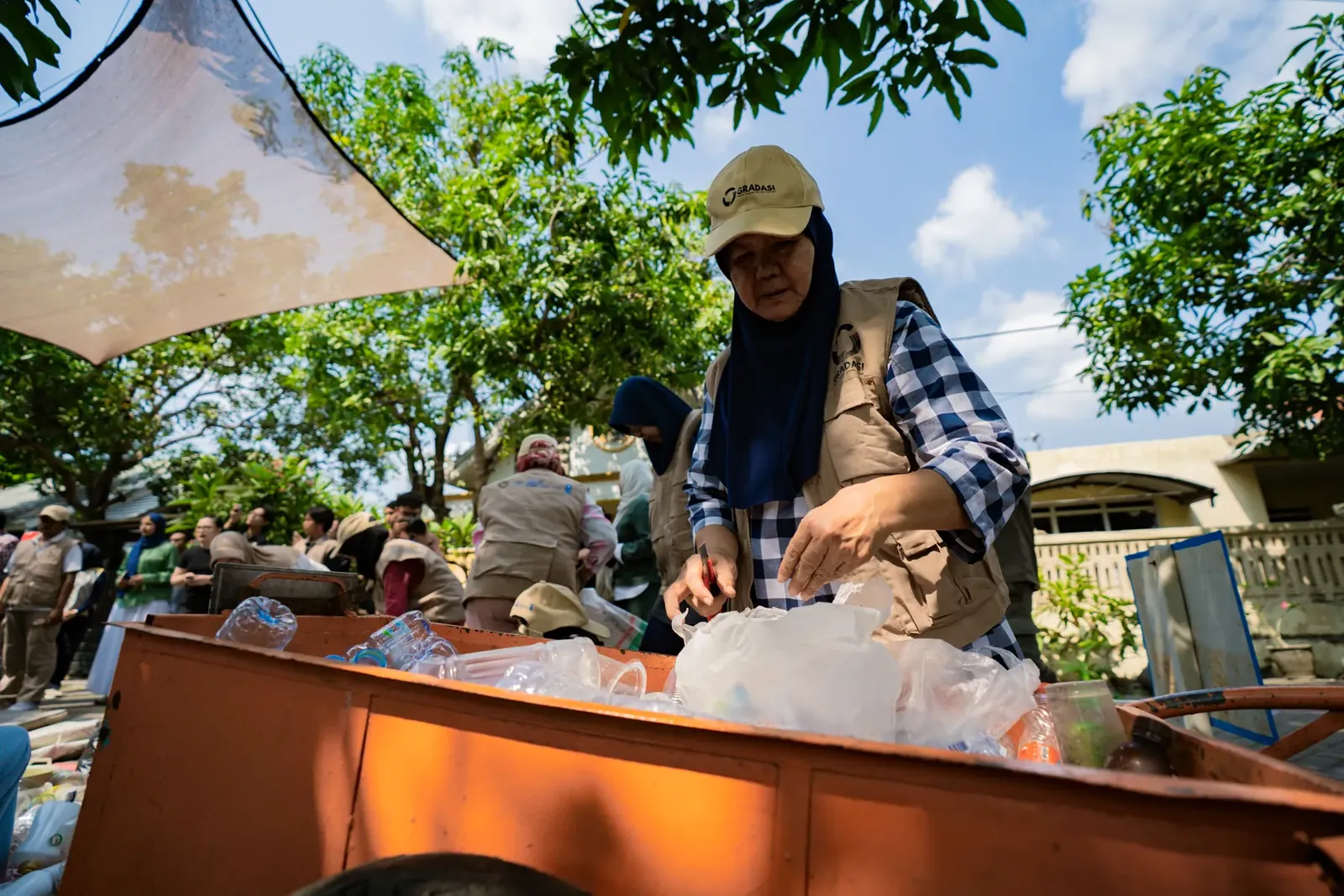 Media CoverageFrom Waste to Worth: How faith is driving Indonesia’s trash-to-charity movementJune 4, 20264 June 2026: GRADASI (Gerakan Sedekah Sampah Indonesia) is an interfaith- and community-based waste initiative that embeds responsible waste behaviours into the…Read summary
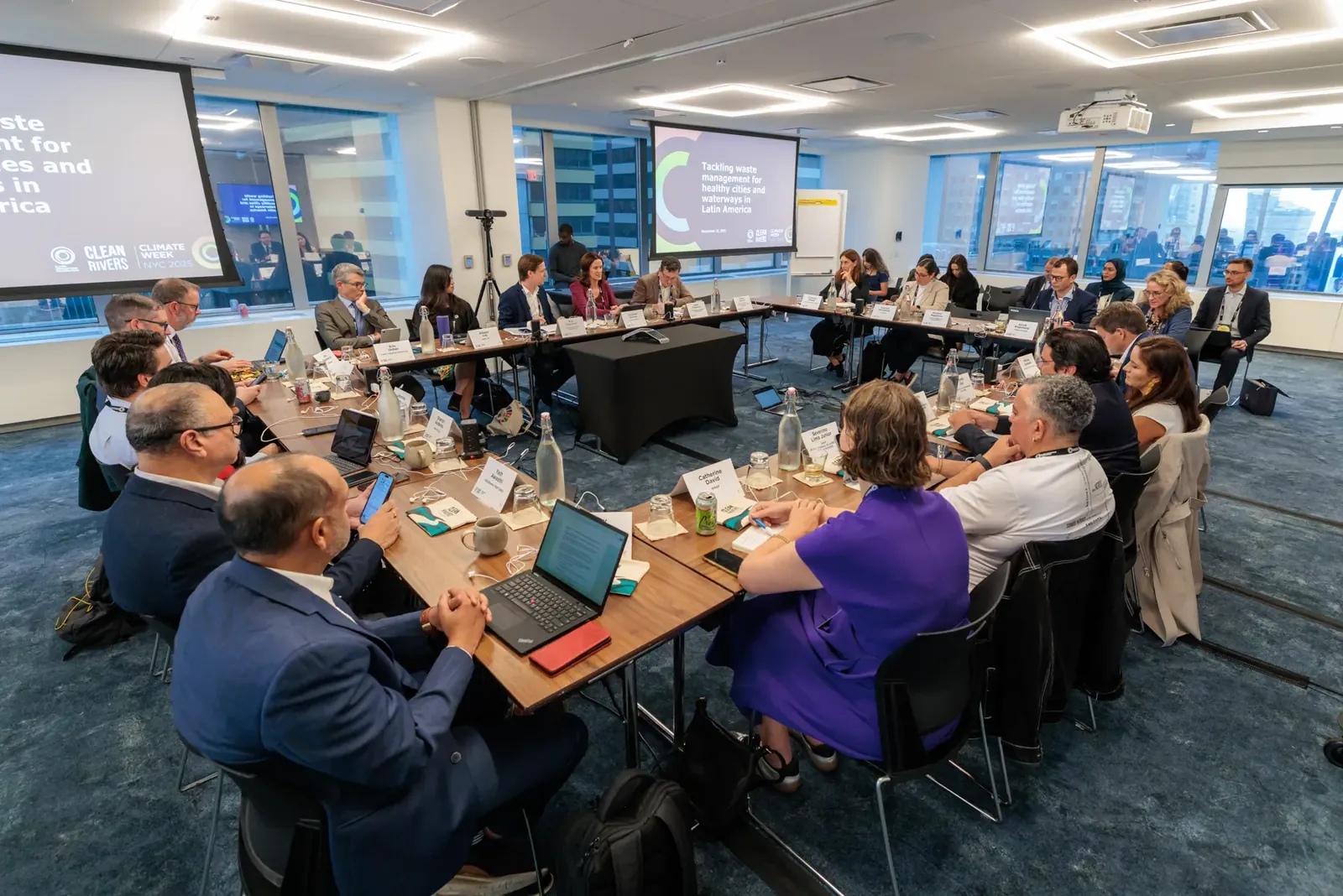 Press ReleaseClean Rivers joins Ellen MacArthur Foundation to accelerate the circular economy transition in BrazilSeptember 25, 2025New York, US, 25 September 2025: Clean Rivers and the Ellen MacArthur Foundation are partnering to develop a scalable model supporting a…Read summary
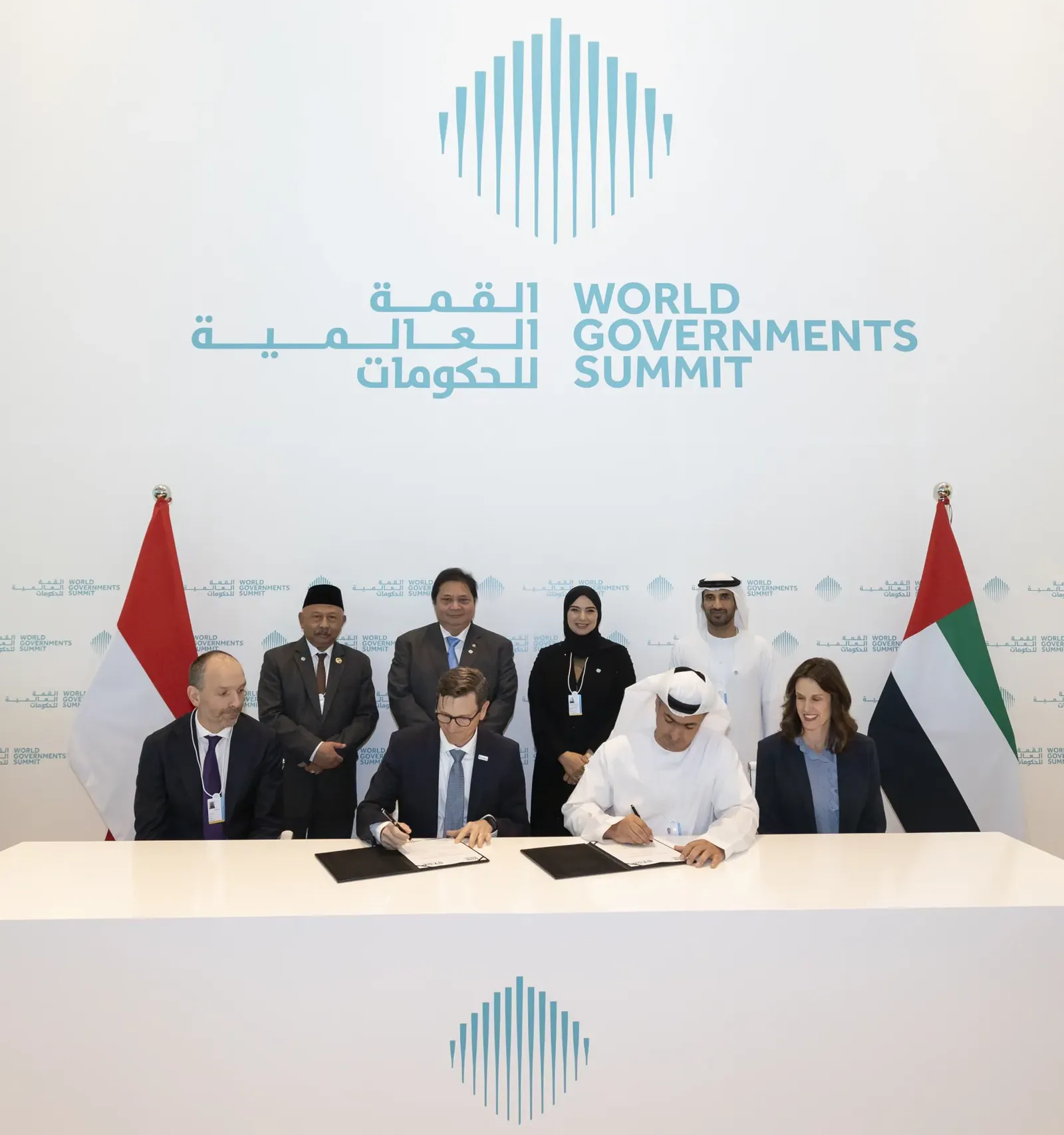 Press ReleaseClean Rivers Funds Indonesia’s First Regency-Wide Sustainable Waste Management System in BanyuwangiFebruary 13, 202513 February, 2025, Abu Dhabi, UAE: Clean Rivers, the global non-profit organisation dedicated to transforming river systems into catalysts for sustainable development,…Read summary